The quick difference
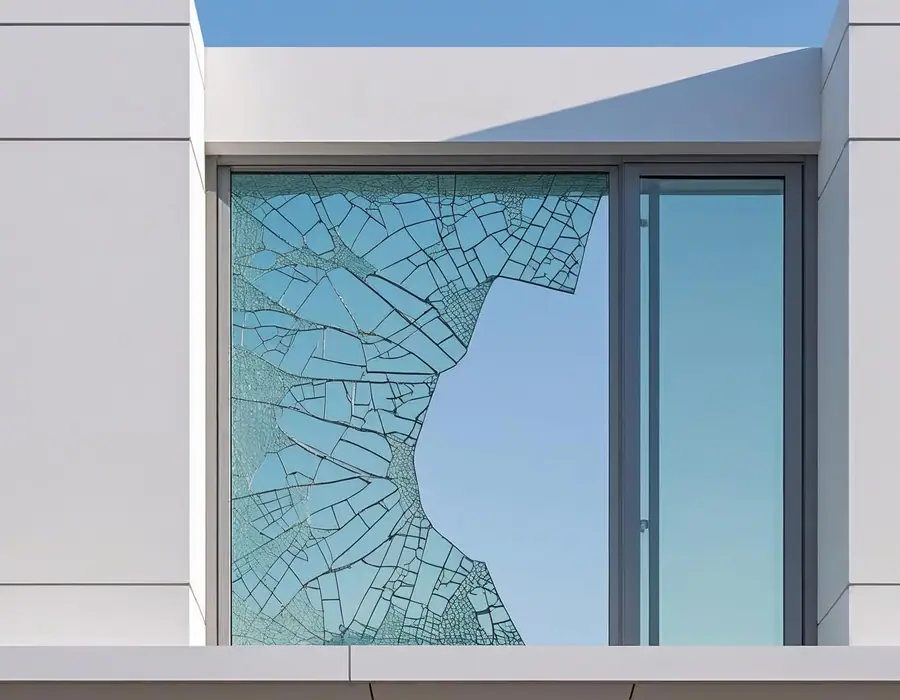
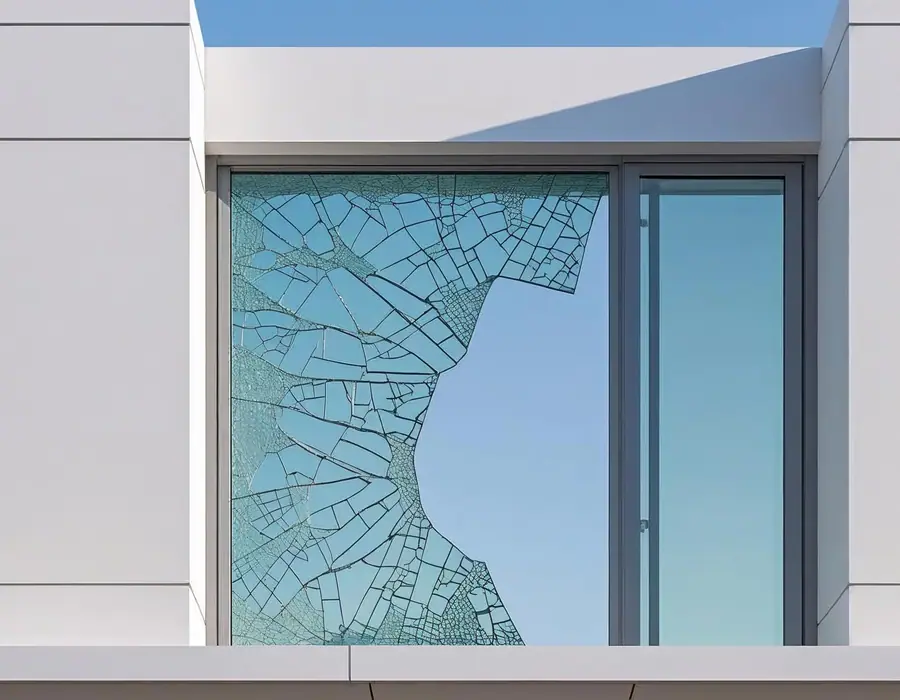
Toughened glass is heat-treated before installation. When it fails, it usually breaks into many small pieces instead of long shards. Once it has been toughened, it cannot be cut or drilled on site.
Laminated glass uses an interlayer between sheets of glass. When it cracks, the interlayer helps hold the broken pieces together. This can help the panel remain in place while the area is made safe.
Where each option may be considered
Toughened glass may be considered for doors, shower screens, panels and other locations where impact resistance and break pattern matter. Laminated glass may be considered where holding together after impact, security or sound reduction is important.
That is only a starting point. A low window, door, overhead panel, shopfront or bathroom screen can each have different needs. The actual opening should be assessed before glass is ordered.
What a glazier may need to check
A replacement is not selected from the broken pieces alone. Photos help with the first conversation, but they do not replace a final measure where one is needed.
- The full opening and frame
- Panel size and thickness
- How and where the glass is used
- Access to the opening
- Any markings still visible on the existing glass
What to send for a useful first assessment
If it is safe, send a wide photo of the whole opening and a closer photo of the glass meeting the frame. Add your suburb and a rough size only when they are easy to check.
Do not handle unstable glass to find a stamp or take a measurement. If the opening is exposed or the glass is moving in the frame, call first so the immediate safety step can be discussed.